Highlights
- Explore the ocean
- Thrilling sensation
- Easy experience
- Hu
Details
What is the scuba diving experience at Hon Tam like?
Before entering the water, guests are introduced to the diving equipment, including the air tank, buoyancy control device, mask, fins, and regulator. The technician will instruct on how to breathe through the mouth, get used to wearing the gear, clear water from the mask, and equalize ear pressure when descending.
The familiarization phase is especially important for first-time divers. The first breaths through the regulator may feel strange, but the body usually adapts gradually if the participant stays calm and breathes steadily. There is no need to hold your breath or move too quickly; scuba diving mainly relies on controlling your breathing, posture, and coordination with the technician.
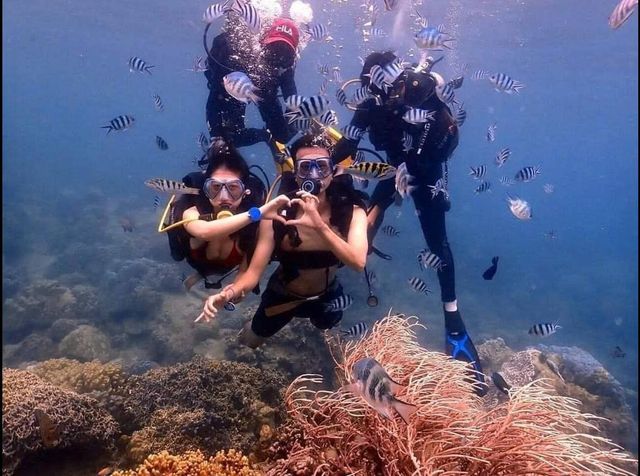
After the briefing, guests enter the water at a location chosen by the operator based on the day's sea conditions. Beginners are typically accompanied closely by a technician throughout the dive, who helps adjust equipment, control direction, and handle any situations that arise.
The feeling beneath the sea surface
The most memorable moment is often when the sounds above the water fade away. Underwater, the sound of breathing through the equipment becomes the clearest rhythm, interspersed with the movement of water and bubbles rising slowly to the surface.
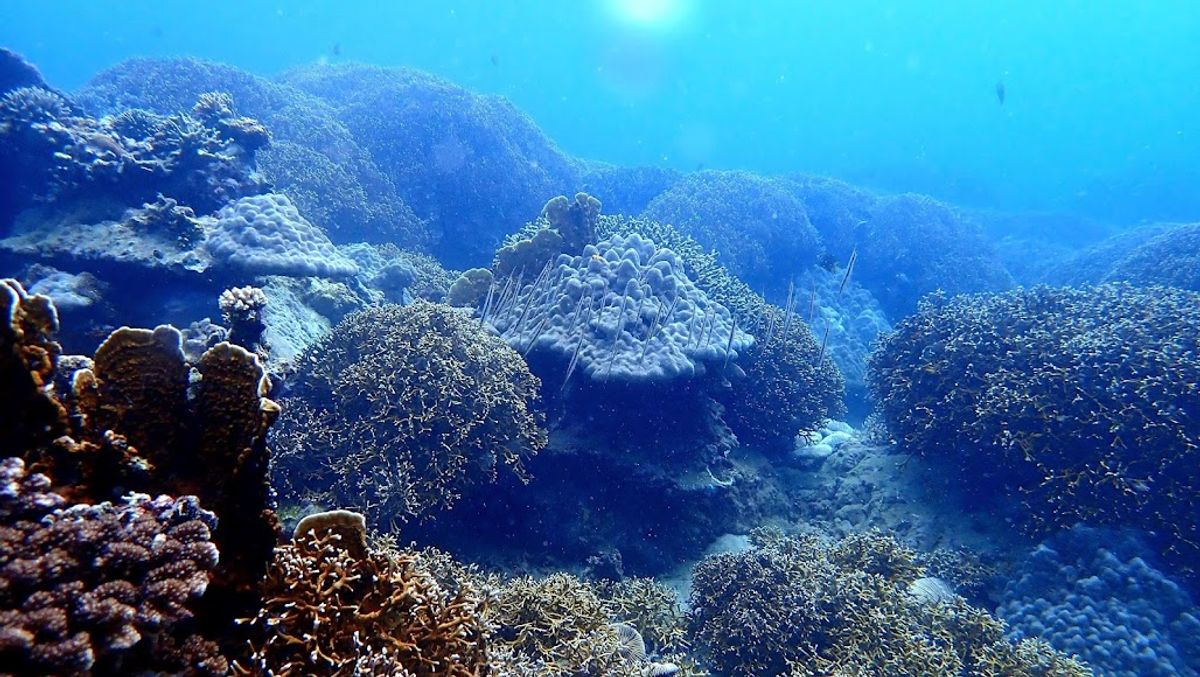
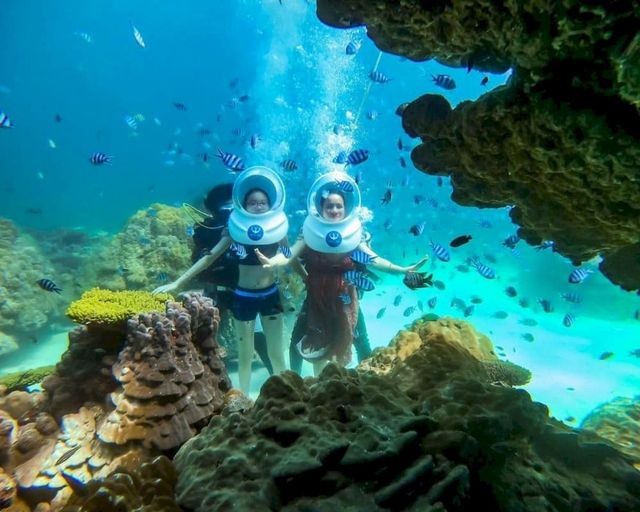
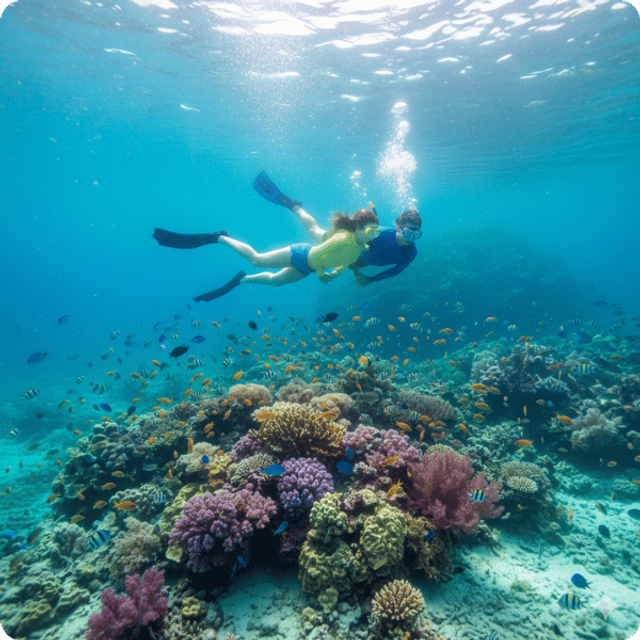
Underwater light is no longer as sharp as on land but becomes softer and more layered. When sea conditions are favorable, guests can observe rock formations, sandy bottoms, coral clusters, and small fish moving around the dive area. The specific scenery varies by location, weather, currents, and the state of the marine environment at the time of participation.
Scuba diving is not a race to go as deep as possible. For first-timers, the greatest value lies in learning to breathe calmly, maintain balance, and observe the underwater environment within a safe range.
What makes the experience at Hon Tam noteworthy
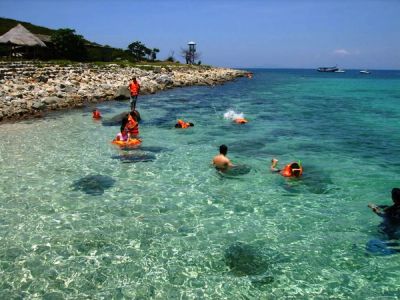
Hon Tam is located within the island tourism area of Nha Trang Bay, where guests can combine multiple activities in one day. After diving, the journey can continue with swimming, relaxing on the shore, participating in water activities, or experiencing mud baths depending on the chosen program.
Compared to a professional diving course lasting several sessions, the experience format for beginners focuses on familiarizing with equipment and exploring the sea under direct support from a technician. This is a suitable choice for those who want to try scuba diving but do not yet have a diving certification.
However, guests need to clearly distinguish between a trial dive and a certification training program. Completing a guided dive does not mean the participant is qualified to dive independently or join dive sites for certified divers.
Who is suitable for scuba diving?
This experience is suitable for people with stable health, who are not overly afraid of water, and can follow instructions. Non-swimmers may still be considered by some operators for the experience program with technician support, but final participation depends on the operator's regulations, health status, and sea conditions.
Those prone to panic, fear of underwater spaces, or difficulty breathing through the mouth should consider carefully. If not ready, guests can start with lighter activities such as snorkeling with a mask or other sea observation experiences suitable for actual conditions.
Children should only participate if they meet the age limits, physical condition, and program regulations. Parents should not rely on outdated information or general recommendations but should directly confirm the applicable standards on the day of service use.
Cases that need prior notification
Scuba diving involves pressure changes and requires stable respiratory and circulatory systems. People with cardiovascular disease, lung disease, asthma, uncontrolled blood pressure, history of ear injuries, recent surgeries, or neurological issues must honestly disclose this before registering.
Pregnant women, those with fever, cold, nasal congestion, ear pain, or feeling unwell should not insist on participating. Nasal congestion and ear inflammation can make pressure equalization difficult and cause pain when descending.
Those taking medication or with underlying conditions should consult a doctor knowledgeable in dive medicine before the trip. Concealing health conditions can increase risks for both the participant and the support team.
What should you prepare before diving?
Guests should get enough sleep, eat moderately, and stay hydrated before participating. Avoid eating too much right before the dive, but also do not go into the water hungry or tired.
Alcohol and substances that affect judgment are not suitable for diving. Participants must remain alert, able to hear and understand instructions, and respond calmly underwater.
Personal belongings should be minimal. Prepare a well-fitting swimsuit, towel, change of clothes, sunscreen for use on shore, and a waterproof bag for essentials. Contact lenses may be inconvenient for some; those with poor eyesight should inquire in advance about using a suitable mask.
Before entering the water, remove any easily lost jewelry and do not bring unnecessary items. Underwater cameras should only be used if permitted by the operator and do not interfere with controlling diving equipment.
Important safety rules
The first rule is to always breathe steadily and never hold your breath while diving. Participants should descend slowly, equalize ear pressure early and continuously rather than waiting until pain occurs.
If you feel discomfort, ear pain, difficulty breathing, dizziness, or panic, signal the technician immediately. Do not try to endure and continue diving. Stopping or ascending when your body is not stable is a safe decision, not a failure.
Guests must not separate from the instructor, remove equipment, or swim outside the designated area. Any changes in depth or direction must be under the technician's control.
After diving, the body needs time to adapt before engaging in activities with significant altitude changes. Those planning to fly or travel to high altitudes after diving should inform the organizer for guidance on the appropriate surface interval based on the actual dive profile.
How to behave towards corals and marine life
Observation is the most important rule when diving. Guests should not stand, kick, or hold onto corals for balance. Even a seemingly minor contact can damage coral structures or injure the diver.
Do not chase fish, touch marine life, collect live shells, or remove any natural objects from the seabed. Feeding fish can also alter their natural behavior and affect the ecosystem.
Beginners often find it difficult to fully control their fins, so maintain a safe distance from corals and move slowly. When needing to adjust position, follow the technician's signals rather than using hands to grab rocks or the seabed.
What activities can be combined with scuba diving?
Scuba diving at Hon Tam is suitable for combining into a moderately paced island experience day. Guests can spend the rest of the journey swimming, relaxing, having a meal, or enjoying other amenities in the program.
Avoid scheduling too many strenuous physical activities consecutively if the body is tired after diving. A break on the shore, drinking water, and monitoring your condition will make the trip more comfortable.
For families or groups, not all members need to dive. Those interested in underwater exploration can join scuba diving, while others choose lighter activities. This arrangement allows the group to have shared leisure time without forcing everyone to participate at the same activity level.
Notes when choosing a service
Before booking, guests should ask about the actual dive site, health standards, age limits, equipment provided, type of technician support, and contingency plans for unfavorable weather.
Equipment must fit the body and be checked before entering the water. The air tank, regulator, buoyancy control device, mask, and connecting parts must be prepared and demonstrated by professional staff.
Guests should also confirm whether the program includes transportation, insurance, underwater photos, or additional services. Prices, schedules, and package contents may change, so check at the time of booking rather than relying entirely on old posts.
Suggestions from Khanh Hoa Travel
For first-timers, a good dive is measured not by depth but by a sense of safety and self-control. Take enough time to listen to instructions, practice breathing on the surface, and only start when truly calm.
Sea conditions directly affect visibility and experience quality. If the weather is unfavorable or the professional operator suggests changing the program, guests should prioritize safety over sticking to the original plan.
Scuba diving at Hon Tam is best suited for those who want to explore a different side of Nha Trang Bay: quieter, slower, and closer to the marine environment. When organized properly, this activity can become a memorable highlight of a day trip to Hon Tam.
Includes
- Basic training
- Personal instructor
- Safety equipment
- Try dive
Frequently asked questions
Can children go scuba diving?
Scuba diving is for children over 7 years old.
Do I need to know how to swim to participate in scuba diving?
Swimming skills are not required.
Who should not participate in scuba diving?
People with flu, cardiovascular diseases, or blood pressure issues.
Can I try diving?
Yes, you can try diving with an instructor before continuing.
How long does the dive last?
15-30 minutes depending on actual water currents, weather conditions, or other safety requirements.